How to Start a Fishing Charter Business: Licensing, Boat, First Season
Plenty of good anglers decide to turn their fishing into a business, and most of them underestimate exactly one thing: a fishing charter isn't a fishing trip you get paid for, it's a licensed passenger-carrying operation that happens to involve fish. The day you take money to put someone on the water, you're a commercial operator with regulators, insurers, and reviews to answer to. The operators who make it past their first season are the ones who treat the business side as seriously as the fishing side from day one.
This guide walks the first-year path in the order you'll actually face it: getting licensed to carry passengers, choosing and insuring the right first boat, finding your first customers, pricing the trips, and modeling the break-even number that tells you whether the whole thing works. It's the spoke to our broader guide to running a charter business — this one is specifically about getting off the dock for the first time without an expensive mistake.
Licensing: You Can't Sell a Trip Without It
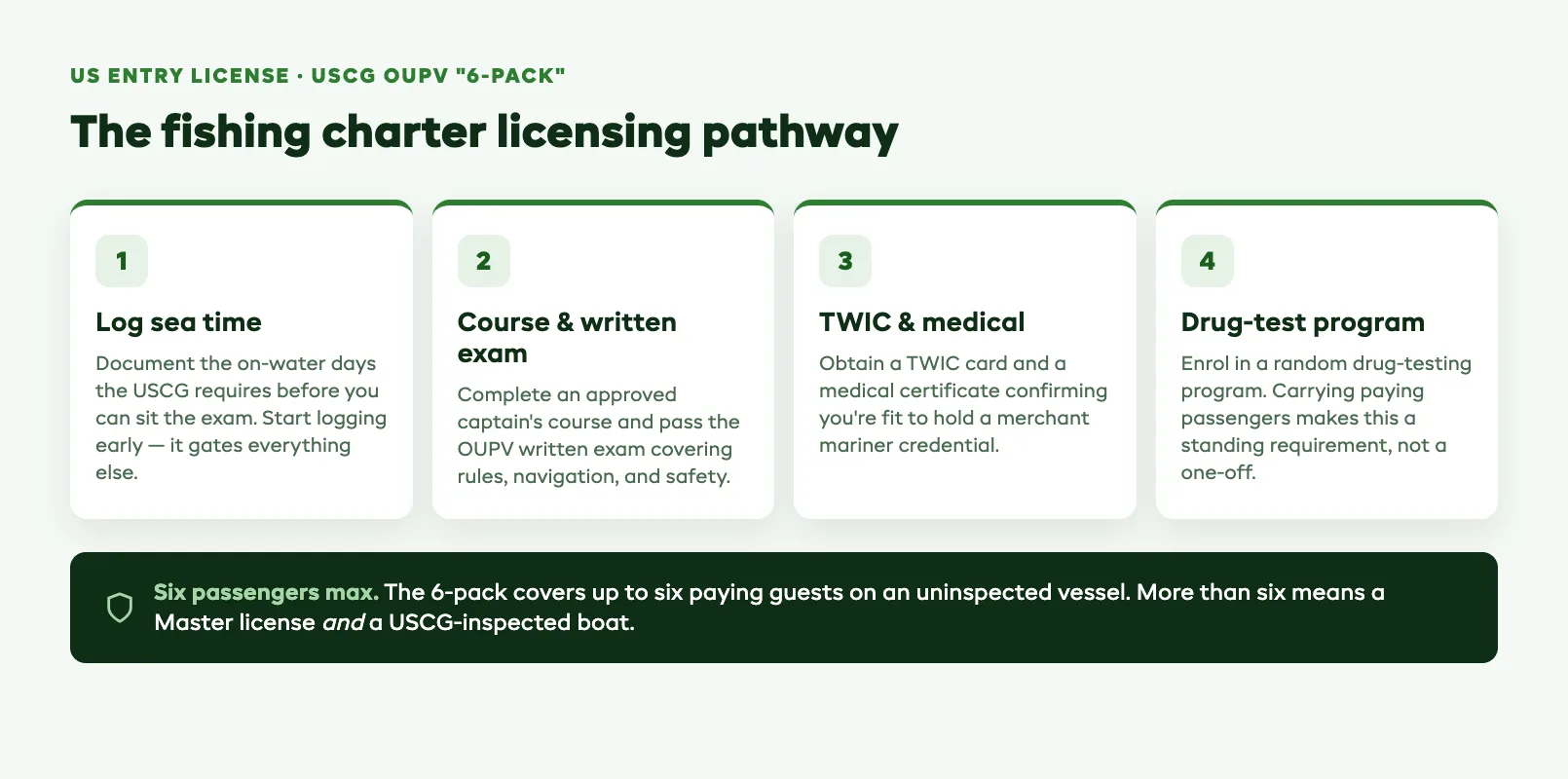
Start here, because licensing has the longest lead time and gates everything else. In the United States, the entry credential for a small fishing charter is the US Coast Guard OUPV — universally called the "6-pack." It lets you carry up to six paying passengers on an uninspected vessel, which covers the great majority of fishing charters. Carry more than six and you're into Master-license territory and a USCG-inspected boat with a Certificate of Inspection, which is a far bigger commitment than most first-year operators want.
Getting the 6-pack isn't hard, but it isn't fast. You'll need documented sea time, an approved captain's course, a passing grade on the written exam, a TWIC card, a medical certificate, and enrolment in a random drug-testing program. None of it is exotic, but the sea-time and paperwork stack up over months, so begin the moment you're serious. Operators outside the US face the same shape under a different agency — the MCA in the UK, AMSA in Australia — where the rule is always the same: the captain needs a credential and the boat needs a certificate.
One practical warning: verify the exact requirements with the regulator directly for your waters and passenger count, not from a forum thread. The details shift with distance offshore and the number of guests, and "I read online that..." is not a defense when an inspector is standing on your dock.
Choosing Your First Boat
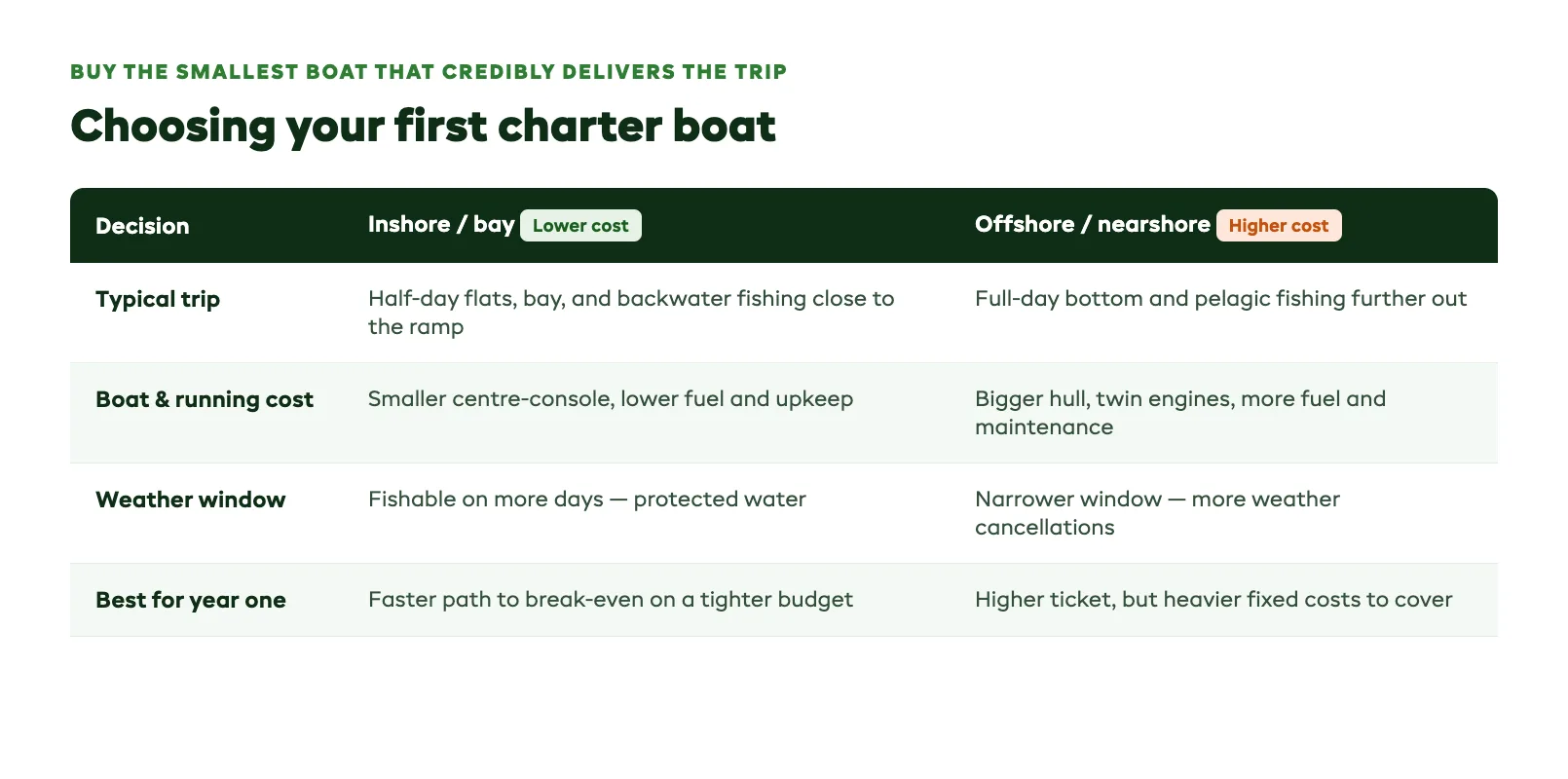
The single biggest mistake new operators make is buying too much boat. The right first vessel is the smallest, simplest boat that credibly delivers the trip you're selling — not the offshore battlewagon you'd love to own. Every extra foot of boat is more purchase cost, more fuel, more maintenance, and a higher break-even you have to clear every single week.
The core decision is inshore versus offshore. An inshore or bay operation runs a smaller center-console on protected water, fishes more days because weather closes you down less often, and reaches break-even faster on a tighter budget. An offshore operation commands a higher ticket but carries far heavier fixed costs — bigger hull, twin engines, more fuel, a narrower weather window, and more cancellations. For a first season, the inshore path is usually the faster road to profitability unless your local market is genuinely offshore-driven.
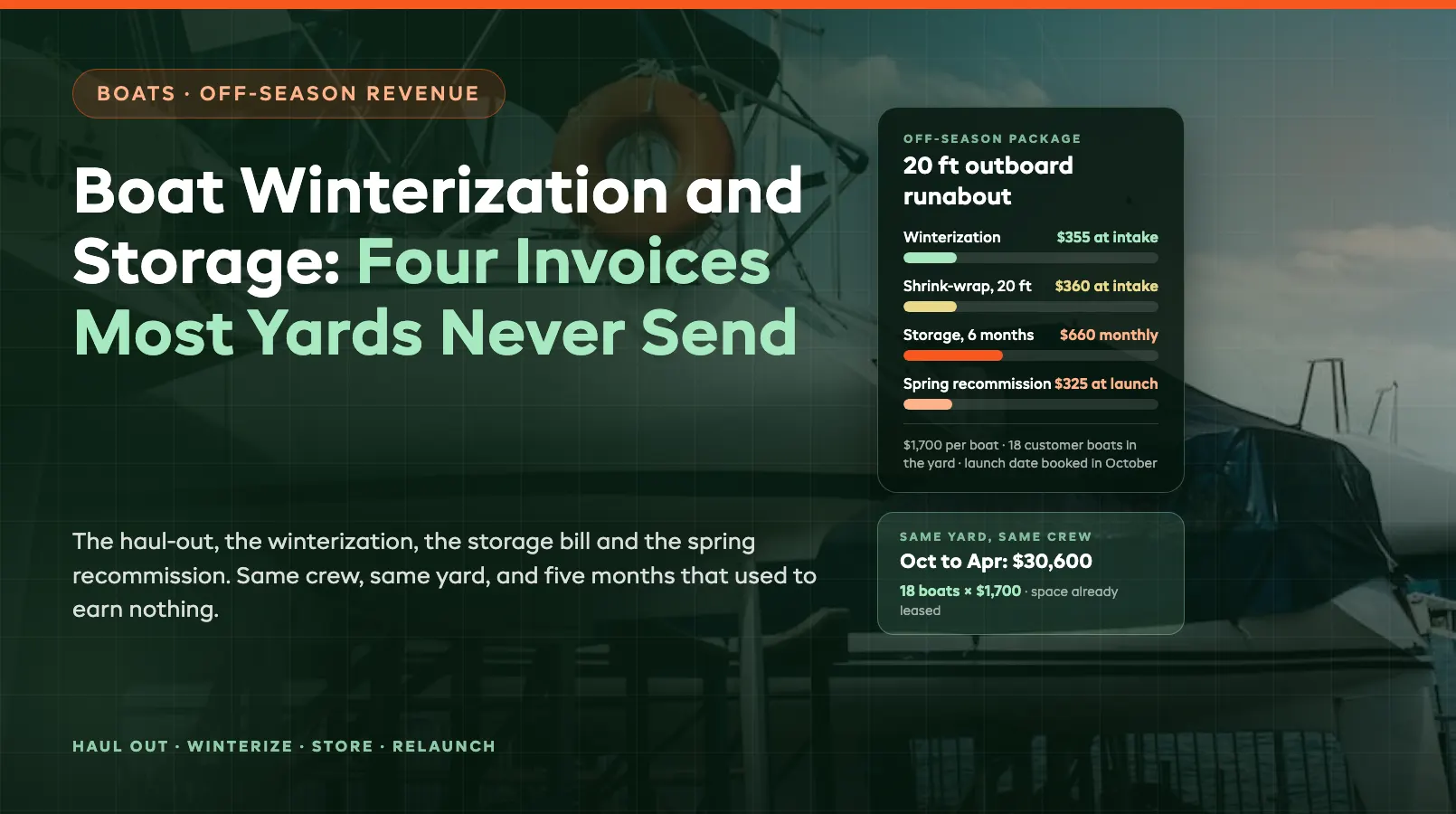
You also don't have to buy outright. Financing keeps cash free for insurance and marketing at the cost of payments you owe whether or not the season cooperates. A charter-management or boat-share arrangement lets you operate someone else's vessel for a revenue split, which is a low-capital way to test the business before committing six figures to a hull. Whatever path you pick, budget upkeep as a fixed cost from the start and keep a charter vessel maintenance log — a boat that's down on a peak Saturday isn't a repair bill, it's a charter you can never sell again.
Insurance: The Cover That Keeps You Solvent
Commercial charter insurance is more expensive and more specific than the recreational boat policy you might already have, and the gap between the two is exactly where uninsured operators get wiped out. A recreational policy does not cover paying passengers. Discovering that after an incident is the kind of mistake you don't get a second season to recover from.
At minimum you'll carry marine liability or protection and indemnity (P&I) covering injury to passengers and crew, plus hull and machinery cover for the boat itself. If you ever hire a mate or backup captain, you step into crew exposure — in the US, Jones Act and longshore liability that standard policies specifically exclude. Shop on the liability limit and the exclusions, not the premium, because a single serious offshore injury can generate a claim far beyond a thin policy, and the shortfall comes out of your business and your personal assets.
Insurers reward a tightly run operation: documented safety briefings, signed waivers on every trip, captain credentials on file, and maintenance records. The same discipline that satisfies an underwriter is what keeps you compliant, so it pays for itself twice. Tying a waiver to every booking so nobody boards unsigned — backed by something like a waiver chaser agent that follows up the stragglers before departure — is the kind of control that lowers both your risk and, over time, your premium. For exactly what to capture and keep — passenger manifests, signed waivers, and how long to retain them — see our guide to charter manifests, waivers, and legal records.
Finding Your First Customers
You can be licensed, insured, and tied up at a beautiful slip and still go broke if the phone doesn't ring. First-year marketing for a fishing charter is mostly local and mostly about trust, because people are handing you a day of their holiday and a real chunk of money on the strength of believing you'll put them on fish.
The channels that work early are practical, not glamorous. A simple website with online booking so people can reserve at 9pm without calling you. A Google Business Profile, because "fishing charter near me" is exactly how customers search. Active social proof — photos of real catches, real guests, real days. And the unglamorous engine of every charter town: relationships with hotels, resorts, marinas, and concierges who send guests your way for a referral arrangement. Reviews compound faster here than almost any other business, so ask every happy guest, every time, and make leaving one effortless.
The other half of customer acquisition is not losing the customers you already won. A no-show or a forgotten rebooking is lost revenue you paid marketing money to create, so close the loop — a prompt no-show follow-up that offers a reschedule turns a dead slot back into a booking instead of a refund. Early on, your past guests and their referrals are your cheapest, highest-converting source of trips; treat that list like the asset it is.
Pricing and What Year One Actually Costs
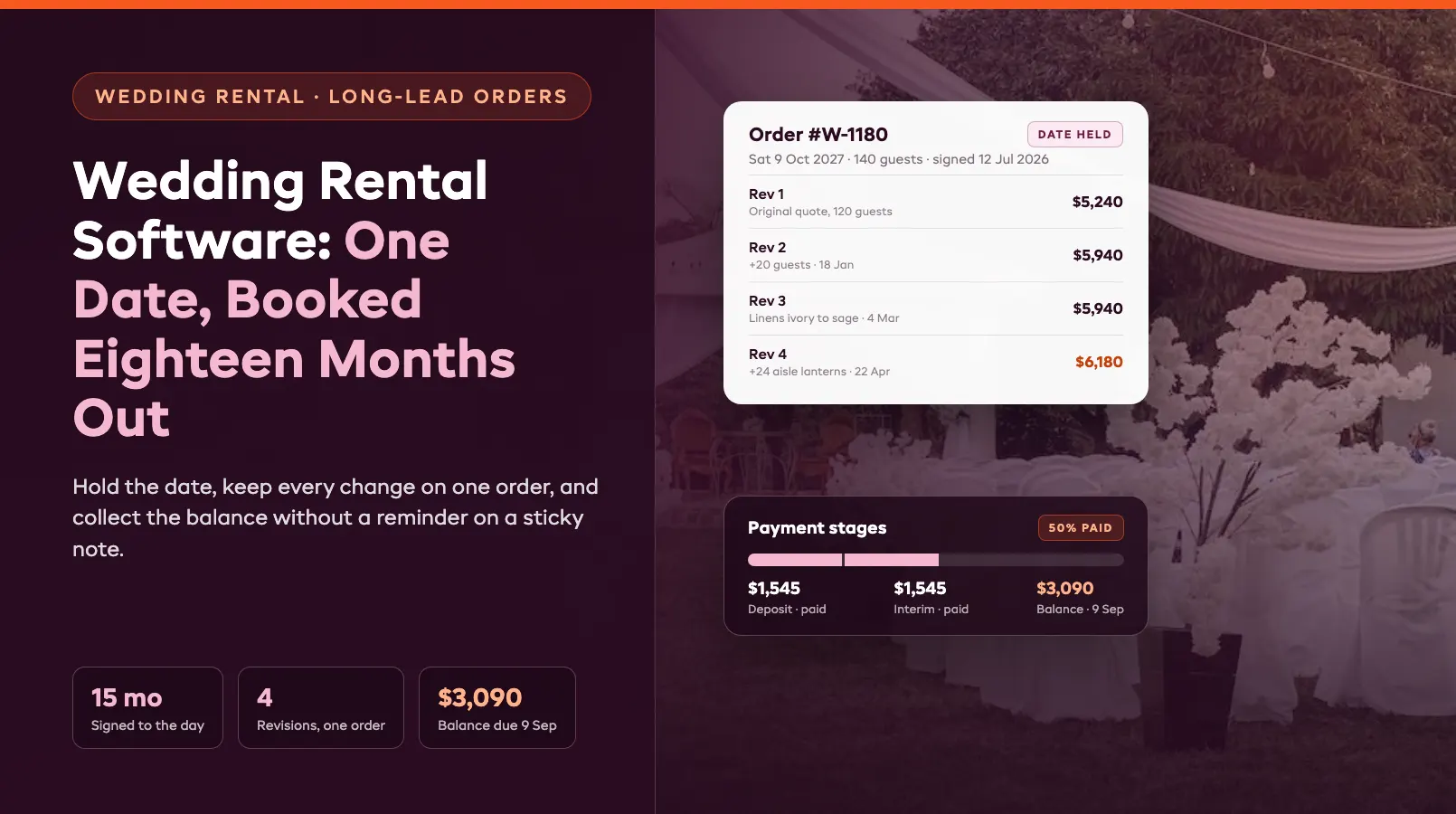
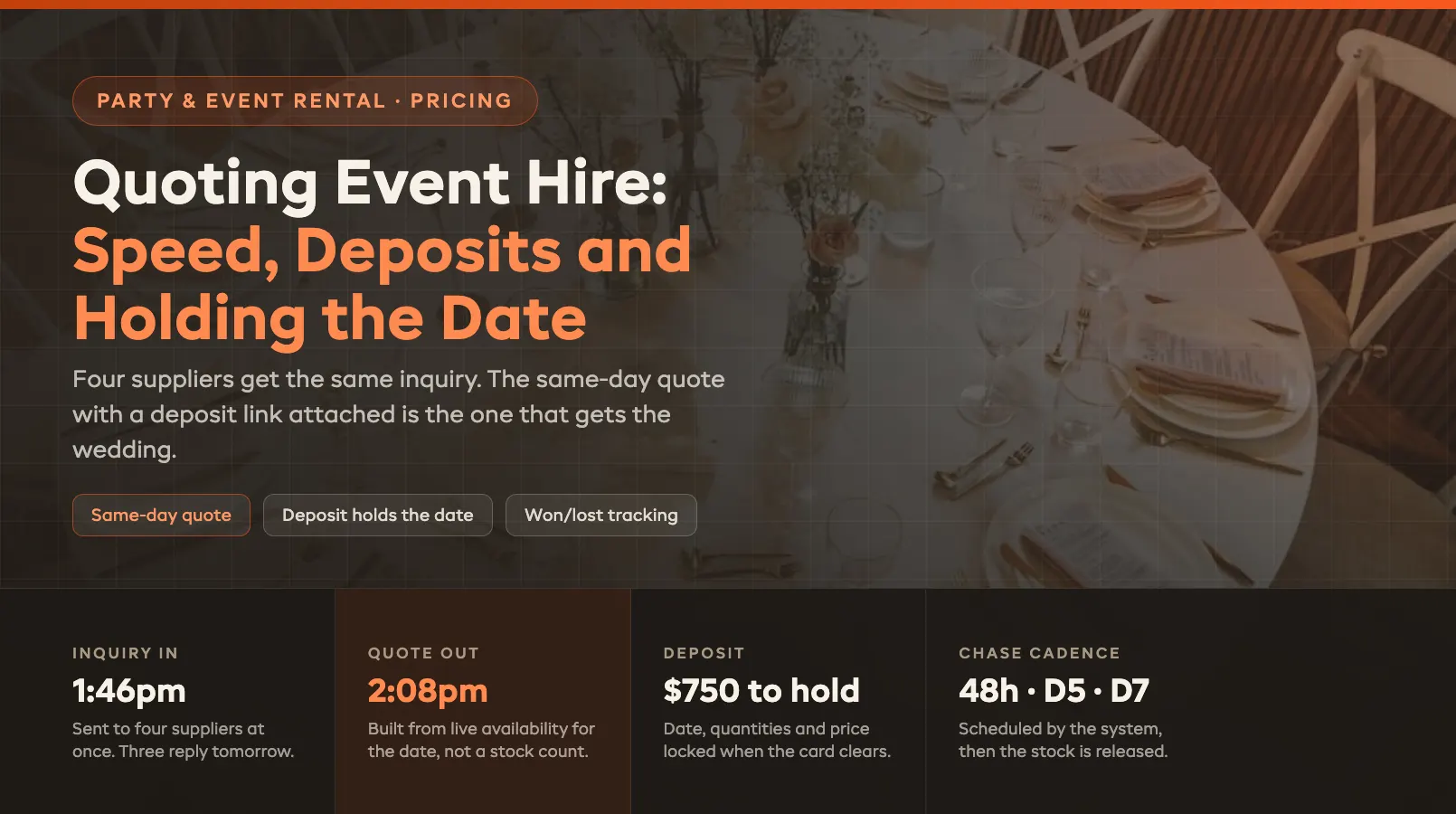
Charter pricing is built around trip length and exclusivity. Most fishing operators offer a half-day trip as the accessible entry point and a full-day at a higher absolute price but better value per hour, which nudges keen anglers up the ladder. The standard fishing-charter model is a private charter — you sell the whole boat to one party at a flat rate regardless of headcount — rather than per-seat, which keeps booking simple and the experience premium. Add a peak-season and weekend premium, and always take a deposit at booking, because a deposit filters out tire-kickers and protects you from the late cancellation that leaves a fueled boat and a paid captain with nobody aboard. Once you're past the first few bookings, our charter pricing strategy guide goes deeper on setting half-day, full-day, multi-day, and premium-package rates that hold their margin across the season.
Before you set a single price, though, understand where year-one money actually goes. The boat dominates the budget, but it's the recurring costs stacked around it — insurance, dockage, fuel, licensing, safety gear, and the marketing float you need before bookings ramp — that decide whether you survive the season.
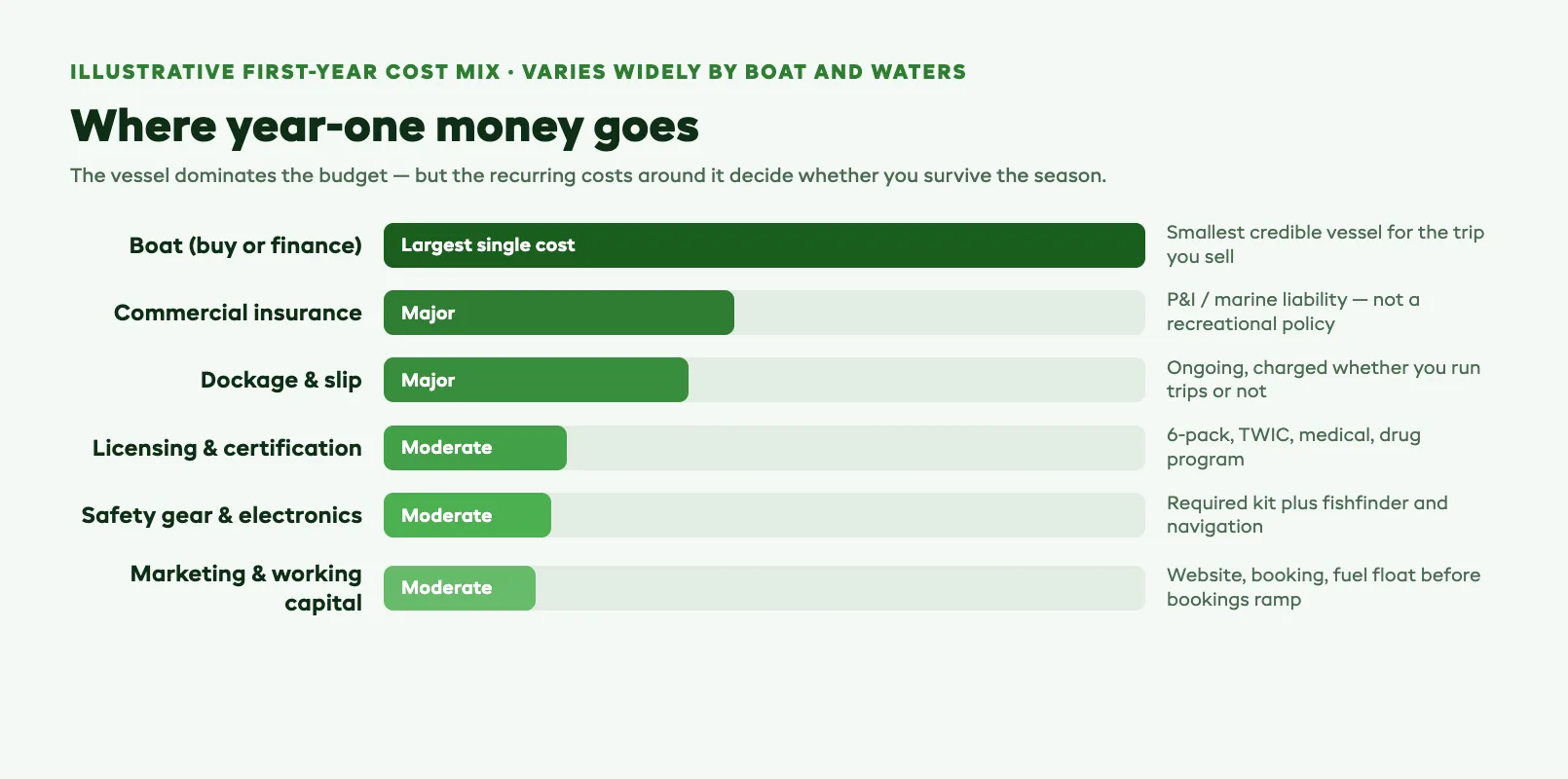
The figures vary enormously with your boat and your waters, which is exactly why you price from your own cost base rather than copying the operator down the dock. Their break-even isn't yours.
The Break-Even Math That Decides Everything
Here's the number every first-year operator should model before buying anything: your break-even load factor — the share of your available trip slots you must sell to cover costs. It's not complicated, and it's the difference between a business and an expensive hobby.
Take the trips your boat and captain can realistically run in a week, multiply by your revenue per trip at honest occupancy, and subtract your fixed and running costs — the loan or rent, insurance, dockage, fuel, and captain pay. What's left tells you how full your calendar has to be just to stand still.
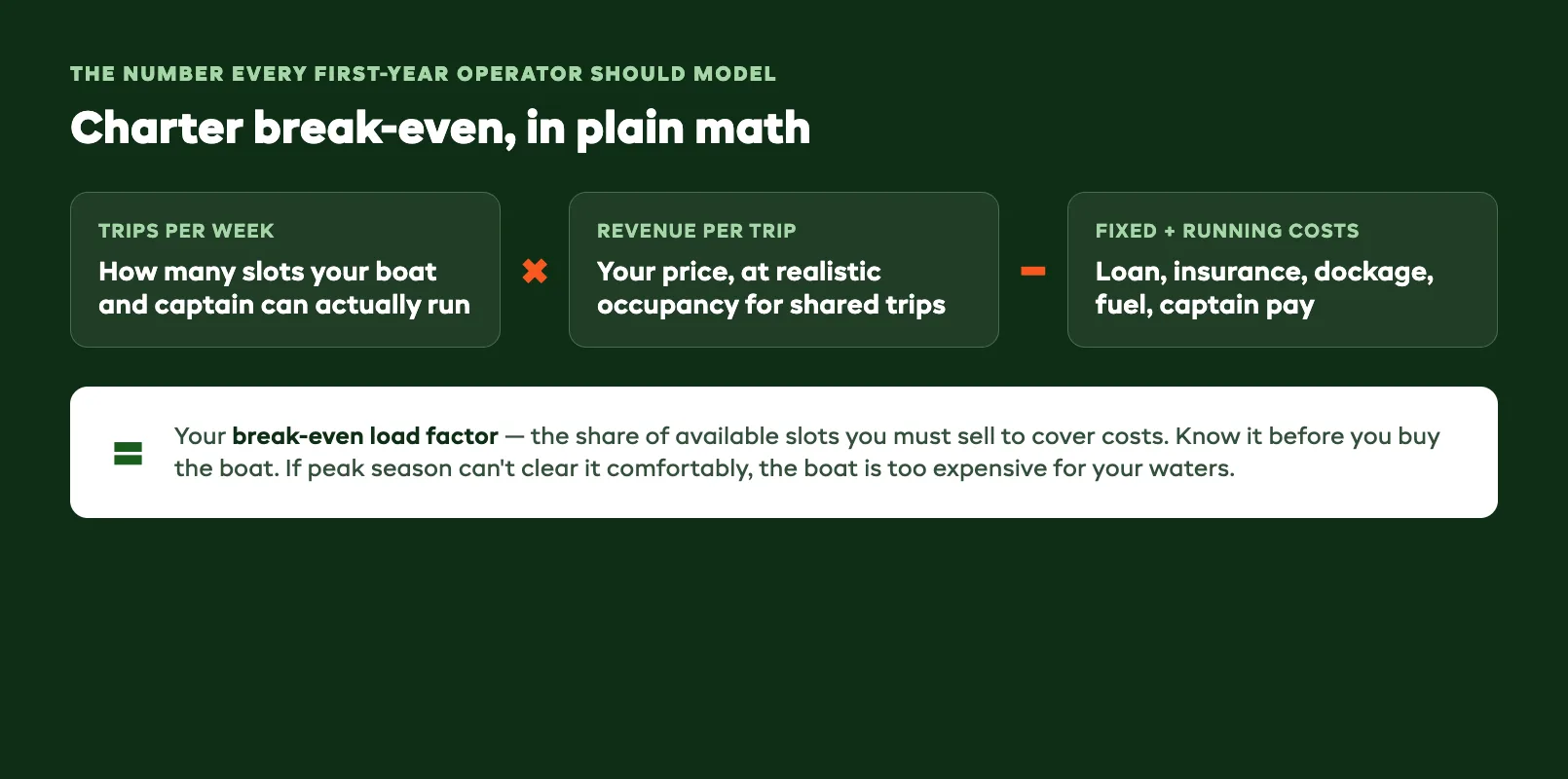
Run this before you commit to a boat, not after. If peak season can't clear your break-even comfortably — with room left over for the shoulder months when the calendar thins out — then the boat is too expensive for your market and you've found that out on a spreadsheet instead of in your bank account. Cheaper boat, lower break-even, more fishable days: that's the first-year formula that works.
Setting Up to Run It Properly
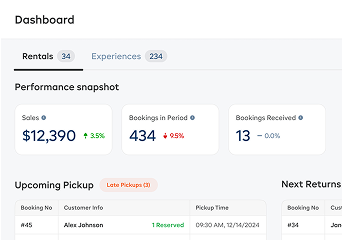
The first season is when good habits are cheap to build and expensive to skip. A charter generates the same coordination every day — a booking, a deposit, a signed waiver, a weather call, a confirmed captain — and trying to hold that across a paper diary, a phone, and a separate waiver app is where new operators leak revenue and miss trips. A booking system built for passenger-carrying operations lets guests book and pay a deposit online around the clock, blocks the boat so you can't double-sell a slot, and collects the waiver before anyone reaches the dock.
EquipDash brings those pieces into one place so a confirmed booking automatically holds the boat, requests the waiver, and lands on the captain's schedule without re-keying. Get the foundation right in year one and you'll spend your second season adding trips instead of untangling chaos. When you're ready to go deeper on captains, scaling, and seasonality, the charters operator hub maps the whole operation, and our guide to building a captain bench shows how to hire, endorse, and schedule the roster you'll need to add trips in year two — and a pre-season charter audit is a good way to make sure you've opened every door before opening day.
FAQ
Do I need a license to start a fishing charter business?
Yes. The moment you take paying passengers you're a commercial operator. In the US, the entry credential is the USCG OUPV ("6-pack"), which allows up to six paying passengers on an uninspected vessel; carrying more requires a Master license and a USCG-inspected boat with a Certificate of Inspection. The UK (MCA) and Australia (AMSA) have equivalent requirements where both the skipper and the vessel must be certified. Always verify the exact rules with your local regulator before buying a boat.
How much does it cost to start a fishing charter business?
It varies enormously with the boat, which is the largest single cost — from a modest used center-console for inshore work to a large offshore vessel. After the boat come commercial insurance, licensing and certification, dockage, safety equipment, and working capital for marketing and fuel before bookings ramp. Many first-year operators reduce the upfront figure by financing the boat or starting under a charter-management or boat-share arrangement rather than buying outright, then reinvesting first-season profit.
What size boat should I buy for my first fishing charter?
The smallest, simplest boat that credibly delivers the trip you're selling. Buying too much boat is the most common first-year mistake — every extra foot adds purchase cost, fuel, maintenance, and a higher break-even you must clear weekly. An inshore or bay operation on a smaller center-console fishes more days and reaches profitability faster on a tighter budget, which usually beats an expensive offshore boat in year one unless your market is genuinely offshore-driven.
How do I get my first charter customers?
Start local and build trust. A website with online booking, a Google Business Profile, and active social proof — real photos of real catches — cover the basics. The bigger early engine is referral relationships with hotels, resorts, marinas, and concierges who send guests your way. Ask every happy customer for a review, because reviews compound fast in this business, and close the loop on no-shows with a prompt reschedule offer so paid-for marketing doesn't go to waste.
What is a break-even load factor for a charter?
It's the share of your available trip slots you must sell to cover your costs. Calculate it by taking the trips your boat and captain can run in a week, multiplying by your revenue per trip at realistic occupancy, and subtracting fixed and running costs — loan or rent, insurance, dockage, fuel, and captain pay. Model it before you buy a boat. If peak season can't clear it comfortably with room to spare for the shoulder months, the boat is too expensive for your market.
What insurance does a fishing charter need?
At minimum, commercial marine liability or protection and indemnity (P&I) covering injury to passengers and crew, plus hull and machinery cover for the boat. If you hire a mate or backup captain you'll likely need crew coverage — in the US, Jones Act and longshore exposure that standard policies exclude. A recreational boat policy does not cover paying passengers, so confirm any policy explicitly covers commercial passenger-carrying for your operation, and shop on the liability limit and exclusions rather than premium alone.
in one place